Life rarely teaches us through grand events alone. More often, our greatest wisdom comes from everyday moments—a conversation with a friend, a mistake at work, a challenging decision, or a simple act of kindness. These small but meaningful lessons are often called Tidbits of Experience. They may seem insignificant at first, yet over time they shape our character, influence our choices, and help us grow into wiser, more capable individuals.
Whether you’re a student, professional, entrepreneur, parent, or someone simply trying to improve yourself, collecting and reflecting on these small experiences can become one of the most valuable habits in your life. This article explores what tidbits of experience are, why they matter, and how you can use them to make better decisions, strengthen relationships, and continue growing throughout life.
What Are Tidbits of Experience?
The phrase Tidbits of Experience refers to small pieces of knowledge, practical wisdom, or valuable insights gained through real-life situations. Unlike information learned from books or lectures, these lessons come from living, observing, trying, succeeding, failing, and reflecting.
A tidbit of experience doesn’t have to involve a life-changing event. It can come from:
- Solving a difficult problem at work
- Learning from a failed project
- Helping someone in need
- Traveling to a new place
- Managing personal finances
- Raising children
- Starting a new hobby
- Overcoming fear or uncertainty
Each experience adds another layer to your understanding of yourself and the world.
Why Small Experiences Matter More Than We Think
Many people wait for major milestones before believing they’ve learned something valuable. In reality, our daily experiences often teach the most lasting lessons.
Small experiences matter because they:
- Build confidence through repeated learning
- Improve decision-making skills
- Increase emotional intelligence
- Help us recognize patterns
- Prepare us for bigger challenges
- Develop resilience over time
Think of personal growth like building a wall. Each small brick represents a lesson learned. Individually, each brick seems minor, but together they create a strong foundation.
Experience vs. Knowledge: Understanding the Difference
Knowledge and experience complement each other, but they are not the same.
Knowledge
Knowledge is information gained through reading, studying, listening, or observation.
Examples include:
- Reading a leadership book
- Watching educational videos
- Learning theory in school
- Studying financial principles
Knowledge gives us direction.
Experience
Experience comes from applying knowledge in real situations.
Examples include:
- Leading your first team meeting
- Managing a personal budget
- Starting a business
- Handling conflict professionally
Experience gives us confidence because we’ve lived through the situation ourselves.
The most effective learning combines both knowledge and practical experience.
Everyday Situations That Teach Valuable Life Lessons
Many of life’s greatest teachers appear in ordinary moments.
Mistakes and Failures
Failure often provides clearer lessons than success.
For example:
- Missing a deadline teaches better planning.
- Making a financial mistake encourages smarter budgeting.
- Losing a client highlights the importance of communication.
Instead of fearing mistakes, successful people analyze them.
Ask yourself:
- What happened?
- Why did it happen?
- What can I improve next time?
Reflection turns failure into wisdom.
Workplace Experiences
Professional life offers countless learning opportunities.
Common workplace lessons include:
- Time management
- Team collaboration
- Leadership
- Accountability
- Adaptability
- Problem-solving
Even difficult coworkers can teach patience, communication, and emotional control.
Relationships
Friends, family members, colleagues, and partners influence our personal growth.
Relationships teach us:
- Empathy
- Trust
- Respect
- Forgiveness
- Listening skills
- Healthy communication
Often, understanding another person’s perspective becomes one of life’s greatest lessons.
Travel and New Environments
Travel exposes us to different cultures, traditions, and ways of thinking.
It encourages:
- Open-mindedness
- Cultural awareness
- Flexibility
- Appreciation
- Independence
Even a short trip can change how we see the world.
Personal Challenges
Every challenge carries a lesson.
Examples include:
- Recovering from illness
- Changing careers
- Moving to a new city
- Learning a new skill
- Starting over after failure
Difficult situations often reveal strengths we didn’t know we had.
The Role of Reflection in Learning
Experiencing something isn’t enough.
The real learning happens through reflection.
Reflection means taking time to ask:
- What happened?
- What emotions did I experience?
- What worked well?
- What didn’t?
- What should I do differently next time?
Without reflection, experiences may simply pass by without becoming valuable lessons.
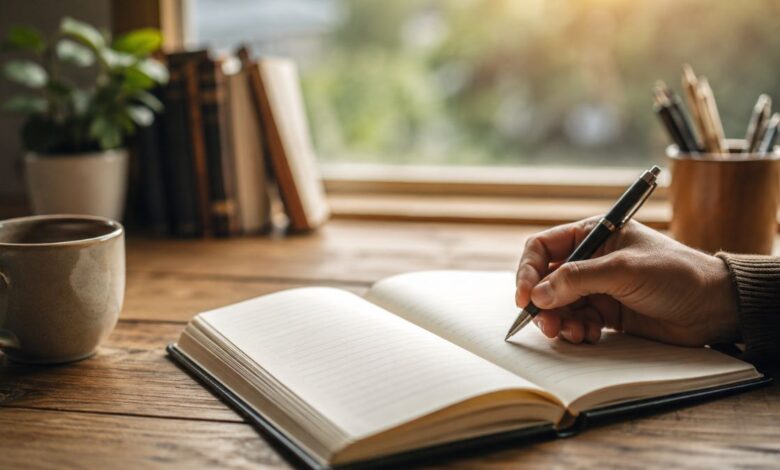
Keeping a journal can help organize these insights.
Turning Small Experiences Into Practical Wisdom
Not every experience automatically becomes wisdom.
Wisdom develops when we:
Observe Carefully
Pay attention to what happens around you.
Notice patterns, behaviors, and outcomes.
Stay Curious
Ask questions.
Instead of saying,
“I already know this,”
try asking,
“What else can I learn?”
Curiosity accelerates personal growth.
Accept Feedback
Constructive criticism helps identify blind spots.
People who welcome feedback often improve faster than those who avoid it.
Practice Consistently
Skills improve through repetition.
One successful presentation doesn’t make someone a great speaker.
Years of practice do.
Share Your Experiences
Teaching others reinforces your own learning.
Whether through mentoring, blogging, or casual conversations, sharing lessons helps both you and others grow.
Common Life Lessons People Learn Over Time
Although everyone’s journey is unique, certain lessons appear repeatedly across different stages of life.
Time Is Valuable
People often realize too late that time cannot be replaced.
Using time intentionally creates better opportunities and healthier relationships.
Success Requires Patience
Quick success is rare.
Most achievements result from consistent effort over months or years.
Persistence usually beats short bursts of motivation.
Communication Solves Many Problems
Many misunderstandings occur because people assume rather than communicate.
Clear, respectful communication improves both personal and professional relationships.
Failure Is Temporary
Failure is part of learning.
Many successful entrepreneurs, athletes, writers, and innovators experienced repeated setbacks before reaching their goals.
Kindness Has Long-Term Value
Small acts of kindness often create lasting positive effects.
Helping others strengthens communities and builds meaningful relationships.
How to Build Your Own Collection of Life Experiences
You don’t need extraordinary adventures to gain valuable insights.
Here are practical ways to collect meaningful experiences.
Try New Things
Challenge yourself regularly.
Examples include:
- Learn a language
- Volunteer
- Join a community group
- Read outside your usual interests
- Attend workshops
Every new activity expands your perspective.
Keep a Learning Journal
Write down:
- Important conversations
- Mistakes
- Successes
- New ideas
- Daily observations
Reviewing these notes over time reveals patterns in your growth.
Ask Better Questions
Instead of asking,
“Why did this happen to me?”
ask,
“What can this teach me?”
This simple shift encourages growth instead of frustration.
Learn From Other People
Every person has experiences different from yours.
Listen actively.
Older family members, mentors, coworkers, and even children often offer valuable perspectives.
Applying Experience to Better Decision-Making
Experience improves judgment because it provides real examples rather than theoretical ideas.
When making decisions:
- Consider past successes.
- Remember previous mistakes.
- Evaluate possible consequences.
- Seek advice when needed.
- Stay flexible if circumstances change.
Good decisions often come from combining knowledge with previous experience.
Pros and Cons of Relying on Experience
Pros
- Improves practical decision-making
- Builds confidence
- Enhances emotional intelligence
- Encourages resilience
- Supports continuous learning
- Helps solve real-world problems
- Makes future challenges easier to handle
Cons
- Past experiences may not fit every new situation
- Personal bias can influence decisions
- Negative experiences may create unnecessary fear
- Overconfidence may prevent learning new methods
- Relying only on experience can limit innovation
The best approach is balancing experience with curiosity and continuous learning.
Practical Tips for Gaining More Valuable Experiences
- Read regularly but apply what you learn.
- Step outside your comfort zone.
- Welcome constructive feedback.
- Reflect after important events.
- Build relationships with experienced mentors.
- Learn from both success and failure.
- Keep improving one small habit at a time.
- Stay open to new perspectives.
Growth rarely happens overnight, but consistent learning compounds over time.
Key Takeaways
- Tidbits of experience are small but meaningful lessons gained through everyday life.
- Practical experience complements theoretical knowledge.
- Reflection transforms experiences into lasting wisdom.
- Mistakes often become our greatest teachers.
- Continuous learning requires curiosity, observation, and action.
- Sharing experiences benefits both yourself and others.
- Personal growth happens through consistent, small improvements rather than dramatic changes.
FAQs
What does Tidbits of Experience mean?
It refers to small pieces of wisdom, insights, or practical lessons gained through personal experiences in everyday life.
Why are life experiences important?
Experiences improve judgment, build confidence, strengthen emotional intelligence, and help people make better decisions in future situations.
Can small experiences really change someone’s life?
Yes. Many significant personal changes result from small daily lessons accumulated over time rather than one major event.
How can I learn more from my experiences?
Reflect regularly, keep a journal, seek feedback, ask thoughtful questions, and apply what you’ve learned in future situations.
Is experience more valuable than education?
Both are important. Education provides knowledge, while experience teaches practical application. Together they create deeper understanding.
How can I share my experiences effectively?
Focus on honest storytelling, explain the lesson learned, and provide practical advice that others can apply in their own lives.
Can negative experiences become positive?
Absolutely. Difficult experiences often teach resilience, patience, empathy, and better decision-making when approached with a growth mindset.
Conclusion
The true value of Tidbits of Experience lies in their ability to transform ordinary moments into lifelong wisdom. Every challenge, conversation, mistake, achievement, and unexpected opportunity offers a chance to learn something meaningful. By paying attention, reflecting on what you’ve learned, and applying those insights to future decisions, you gradually build a richer understanding of yourself and the world around you.
Personal growth doesn’t require extraordinary circumstances—it grows from consistent learning through everyday experiences. Whether you’re beginning your career, raising a family, pursuing education, or exploring new opportunities, the small lessons you gather each day can become the foundation for wiser choices, stronger relationships, and a more fulfilling life. Never underestimate the power of the little experiences, because together they shape the person you become.