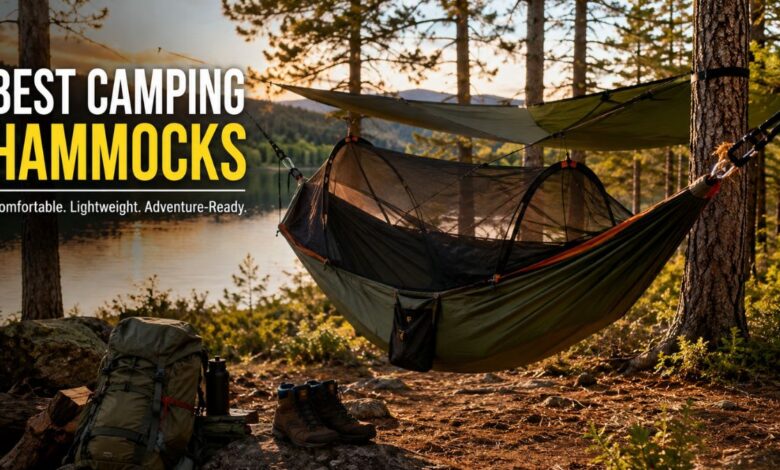
Camping has evolved far beyond sleeping on hard ground inside a traditional tent. Today, many outdoor enthusiasts prefer camping hammocks because they are lightweight, comfortable, and surprisingly versatile. Whether you’re planning a weekend camping trip, a multi-day backpacking adventure, or simply relaxing by a lake, the right hammock can make your outdoor experience significantly more enjoyable.
However, not every hammock is designed for overnight camping. Some are built mainly for relaxing in the backyard, while others include features like integrated bug nets, weather protection, durable suspension systems, and lightweight materials that make them suitable for serious outdoor adventures.
This guide explains what makes a great camping hammock, reviews some of the best options available in 2026, and helps you choose one that matches your camping style. Instead of focusing only on specifications, we’ll look at comfort, durability, ease of setup, and overall value so you can confidently invest in gear that will serve you for years.
What Is a Camping Hammock?
A camping hammock is a portable sleeping system that hangs securely between two anchor points, usually trees, using suspension straps. Unlike traditional backyard hammocks, camping models are engineered to support overnight sleeping in changing weather conditions.
Many camping hammocks can also be expanded into complete shelter systems by adding:
- Rain tarps
- Mosquito or bug nets
- Underquilts for insulation
- Ridgelines
- Gear organizers
This modular design allows campers to customize their setup depending on the season, location, and weather forecast.
Why More Campers Are Choosing Hammocks
Camping hammocks continue to grow in popularity because they solve several common problems that tent campers face.
Better Sleep on Uneven Ground
Finding perfectly flat ground can be frustrating, especially in forests or mountainous areas. A hammock eliminates this issue because your sleeping surface is suspended above the ground.
With the correct hanging angle and a diagonal sleeping position, many people discover they sleep more comfortably than they do in a sleeping bag placed on rocky or uneven terrain.
Lightweight for Backpacking
Weight matters when every kilometer involves carrying your gear.
Many backpacking hammocks weigh less than a comparable tent setup, making them attractive to hikers who want to reduce pack weight without sacrificing comfort.
Excellent Ventilation
Air flows naturally beneath and around a hammock, keeping you cooler during warm summer nights. This ventilation helps reduce condensation, which is often a problem inside tents.
Faster Setup
Once you’ve practiced a few times, most camping hammocks can be ready within minutes.
Modern suspension straps with multiple adjustment points allow campers to quickly achieve a secure setup without tying complicated knots.
Keeps You Off Wet Ground
After heavy rain, campsites often become muddy. Sleeping above the ground keeps you away from moisture, insects, and small rocks that could otherwise make your night uncomfortable.
How We Evaluated the Best Camping Hammocks
Rather than focusing only on marketing claims, this guide considers the features that genuinely affect comfort and long-term performance.
Our evaluation includes:
- Overall sleeping comfort
- Weight and packed size
- Material durability
- Ease of setup
- Suspension quality
- Weather compatibility
- Value for money
- Suitability for different camping styles
- Weight capacity
- Build quality
These factors matter much more than simply choosing the most expensive hammock.
Best Camping Hammocks in 2026
ENO DoubleNest – Best Overall Camping Hammock
For many outdoor enthusiasts, the ENO DoubleNest remains one of the safest recommendations because it balances comfort, portability, and durability.
Although originally designed as a lounging hammock, many campers use it for overnight trips when paired with quality straps, a rain tarp, and insulation.
Why it stands out
- Spacious design
- Soft yet durable nylon fabric
- Excellent stitching quality
- Packs into a compact stuff sack
- Beginner-friendly setup
Best for
- Weekend camping
- Casual backpacking
- First-time hammock campers
Things to consider
It does not include a bug net or rain fly, so campers planning overnight trips should budget for those accessories separately.
Warbonnet Blackbird XLC – Best Premium Camping Hammock
Campers who spend dozens of nights outdoors every year often recommend the Warbonnet Blackbird XLC because it is specifically engineered for sleeping rather than casual lounging.
Its thoughtful design creates a flatter sleeping position that reduces pressure points throughout the night.
Highlights
- Comfortable diagonal lay
- Integrated bug net
- Gear shelf for storage
- Excellent craftsmanship
- Suitable for taller campers
Best for
- Long-distance backpackers
- Experienced hammock campers
- Multi-night adventures
Consider before buying
The premium construction comes with a higher price, but frequent campers often consider it a worthwhile investment.
Kammok Mantis System – Best Complete Camping Package
Some beginners prefer buying everything in one package instead of purchasing individual components.
The Kammok Mantis System includes several essential pieces needed for overnight camping, making it a convenient starting point.
Features
- Lightweight hammock
- Integrated bug net
- Suspension straps
- Rainfly compatibility
- Compact storage
Best for
- New hammock campers
- Backpackers
- Travelers wanting an all-in-one setup
Having compatible components from the start also simplifies setup and reduces compatibility concerns.
Hennessy Expedition Asym Zip – Best for All-Weather Camping
If you regularly camp in changing weather conditions, weather protection becomes just as important as comfort.
The Hennessy Expedition series has earned a strong reputation for dependable overnight performance.
Why campers like it
- Integrated mosquito protection
- Included rain fly
- Durable construction
- Proven suspension system
- Reliable in various climates
Best for
- Forest camping
- Wet environments
- Multi-season trips
Its complete shelter system reduces the number of separate items you need to purchase.
Wise Owl Outfitters Double Hammock – Best Budget Choice
A limited budget doesn’t necessarily mean sacrificing comfort.
The Wise Owl Double Hammock offers excellent value for occasional campers who want dependable performance without spending a premium price.
Advantages
- Affordable
- Comfortable fabric
- Easy setup
- Lightweight
- Good weight capacity
Best for
- Students
- Families
- Casual campers
- Beginners
While it lacks premium features like integrated bug protection, it performs well for fair-weather camping and relaxation.
Sea to Summit Pro Hammock – Best Ultralight Option
For backpackers counting every gram, the Sea to Summit Pro Hammock delivers impressive comfort while keeping pack weight low.
Its lightweight materials pack down extremely small without compromising overall strength.
Why hikers appreciate it
- Extremely compact
- Lightweight fabric
- Strong construction
- Comfortable design
- Excellent for long hikes
Best for
- Thru-hiking
- Ultralight backpacking
- Adventure travel
Unlike heavier camping systems, this hammock is designed for people who prioritize efficiency and minimal pack weight.
What Makes a Camping Hammock Comfortable?
Many first-time buyers assume softness alone determines comfort. In reality, several design elements work together to create a better sleeping experience.
Length Matters
Longer hammocks generally provide a flatter sleeping position. Campers over six feet tall often find that longer models allow them to stretch out more naturally without feeling cramped.
Width Improves Flexibility
A wider hammock gives you more room to shift positions during the night. It also makes it easier to achieve the diagonal lay that many experienced hammock campers recommend.
Suspension System Quality
Comfort begins with a secure setup. Strong, adjustable straps allow you to fine-tune the hang angle, which directly affects how supportive the hammock feels.
Fabric Choice
High-quality ripstop nylon offers an excellent balance between durability, comfort, and weight. Premium fabrics also resist stretching over time, helping maintain a consistent sleeping position.
Proper Hanging Angle
Even the best camping hammock can feel uncomfortable if it is hung incorrectly. A gentle sag—rather than pulling the hammock completely tight—creates a more natural sleeping position and reduces pressure on your back.
Camping Hammock Buying Guide
Choosing the best camping hammock isn’t just about picking the most popular brand. The right hammock depends on how you camp, where you camp, and what features matter most to you. A weekend camper has different needs than someone hiking for days with everything on their back.
Here are the most important factors to consider before buying.
Decide How You’ll Use It
Start by asking yourself a simple question: What will this hammock be used for most of the time?
- Day trips or relaxing: A basic hammock with tree straps may be all you need.
- Weekend camping: Look for a durable hammock with room to add a bug net and rain tarp.
- Backpacking: Choose a lightweight model that packs small and doesn’t add unnecessary weight.
- Extended outdoor trips: Invest in a complete hammock system designed for overnight comfort in different weather conditions.
Buying for your actual needs helps you avoid spending extra on features you’ll rarely use.
Choose the Right Size
Size affects comfort more than many people realize.
In general:
- Single hammocks are lighter and ideal for solo campers who want to save space and weight.
- Double hammocks provide more room, making them more comfortable for sleeping diagonally, even if only one person uses them.
If you’re tall, look for a hammock that’s at least 11 feet long. The extra length allows a flatter sleeping position and can make a noticeable difference during overnight trips.
Check the Weight Capacity
Always choose a hammock with a weight rating well above your body weight.
Remember that the total load may include:
- Your backpack
- Sleeping bag or quilt
- Clothing
- Small gear stored inside the hammock
A higher weight capacity often means stronger stitching and more durable materials.
Suspension System Matters
Many experienced campers say the suspension system is just as important as the hammock itself.
Look for:
- Wide tree-friendly straps
- Adjustable loops
- Strong carabiners
- Durable webbing
- Easy setup without knots
A good suspension system saves time at camp and protects trees from unnecessary damage.
Think About Weather Protection
A hammock alone won’t keep you dry or warm.
For overnight camping, consider adding:
- A rain tarp for wet weather
- A bug net during mosquito season
- An underquilt for insulation beneath the hammock
- A top quilt or sleeping bag for cooler temperatures
These accessories transform a simple hammock into a comfortable camping shelter.
Essential Camping Hammock Accessories
A few well-chosen accessories can significantly improve comfort and convenience.
Rain Tarp
A quality tarp keeps rain off your sleeping area while also providing shade on sunny days. Look for one with enough coverage to protect both the hammock and your gear.
Bug Net
If you’re camping near lakes, rivers, or forests, a bug net quickly becomes one of the most valuable pieces of equipment. It helps keep mosquitoes and other insects away while allowing fresh air to circulate.
Underquilt
Many first-time hammock campers are surprised to learn that the underside of a hammock can become cold, even during mild weather. An underquilt hangs beneath the hammock and traps warm air, providing insulation without being compressed by your body weight.
Gear Sling
Instead of leaving equipment on the ground, a gear sling keeps your backpack, boots, and other essentials clean, dry, and within easy reach.
Camping Hammock vs. Tent
Both hammocks and tents have their strengths. Choosing between them depends on where you camp and the kind of experience you want.
| Camping Hammock | Tent |
|---|---|
| Lightweight and compact | Usually offers more interior space |
| Comfortable on uneven ground | Works in almost any location |
| Better airflow in warm weather | Better privacy |
| Faster setup with practice | Easier for families or groups |
| Requires suitable trees or anchors | Doesn’t rely on trees |
When a Hammock Is the Better Choice
A camping hammock is an excellent option if you:
- Camp in wooded areas
- Enjoy backpacking
- Want a lightweight shelter
- Prefer sleeping above the ground
- Value quick setup and portability
When a Tent Makes More Sense
A tent may be the better choice if you:
- Camp in deserts or alpine regions with few trees
- Travel with children
- Need extra storage space
- Expect severe weather
- Want more privacy
Some experienced campers own both and choose the one that best suits each trip.
Tips for Setting Up a Camping Hammock
Proper setup can make the difference between a restful night’s sleep and an uncomfortable one.
Find Healthy Trees
Choose sturdy, living trees with trunks large enough to support your weight. Avoid dead or damaged trees, as they can be unsafe.
Leave a Gentle Sag
Many beginners make the mistake of pulling the hammock too tight. A slight curve allows for a more natural and comfortable sleeping position.
Sleep Diagonally
Instead of lying straight down the middle, shift your body slightly at an angle. This creates a flatter surface and reduces pressure on your back.
Check Above You
Before setting up, look for dead branches, loose limbs, or anything that could fall during the night.
Test Before Fully Loading
Sit in the hammock gently before lying down. This quick test helps confirm that the straps and anchors are secure.
Common Mistakes Beginners Make
Learning from others’ experiences can save you time and frustration.
Buying the Cheapest Option
Low-cost hammocks may be fine for occasional relaxation, but they often lack the durability needed for regular camping.
Ignoring Weather
Even on warm days, temperatures can drop significantly at night. Without proper insulation or rain protection, sleeping outdoors can become uncomfortable.
Hanging Too High
Keep the hammock low enough that you can safely sit down and get out without difficulty. If something slips, a lower setup also reduces the risk of injury.
Forgetting Leave No Trace Principles
Always use tree-friendly straps and avoid damaging bark. Leave your campsite as clean as you found it so others can enjoy it too.
How to Care for Your Camping Hammock
With proper care, a quality camping hammock can last for many years.
- Shake off dirt and leaves after every trip.
- Follow the manufacturer’s cleaning instructions.
- Allow the hammock to dry completely before storing it.
- Inspect straps and stitching regularly for signs of wear.
- Store it in a cool, dry place away from direct sunlight.
Simple maintenance helps preserve both the fabric and the suspension system.
FAQs
Are camping hammocks comfortable for sleeping overnight?
Yes. When set up correctly with the right accessories, many campers find a hammock more comfortable than sleeping on uneven ground. A proper hanging angle and diagonal sleeping position can improve support and reduce pressure points.
Can I use a camping hammock without trees?
Sometimes. In areas without trees, you can use specially designed hammock stands or other secure anchor systems. However, these add weight and may not be practical for backpacking.
Do I need a bug net?
If you’re camping in areas with mosquitoes or other insects, a bug net is highly recommended. It improves comfort without reducing airflow.
Is a double hammock only for two people?
Not necessarily. Many solo campers choose double hammocks because the extra width creates a flatter and more comfortable sleeping position.
Can I stay warm in a hammock during cold weather?
Yes. The key is using proper insulation, such as an underquilt and a warm top quilt or sleeping bag. Without insulation beneath you, cold air can quickly remove body heat.
How much weight can a camping hammock hold?
Most quality camping hammocks support between 300 and 500 pounds, but always check the manufacturer’s specifications before use.
Are camping hammocks safe?
They are generally safe when used correctly. Always inspect your equipment, use strong anchor points, and follow the manufacturer’s setup instructions.
Final Thoughts
The best camping hammock is the one that fits your style of adventure, not simply the one with the highest price tag. Some campers prioritize ultralight gear for long-distance hikes, while others value extra space, built-in bug protection, or all-weather performance.
Before making a purchase, think about where you’ll camp most often, the weather conditions you expect, and the level of comfort you want. A well-made hammock paired with the right accessories can provide a comfortable, reliable shelter for everything from weekend getaways to extended backpacking trips.
Whether you’re new to hammock camping or upgrading your current setup, taking the time to choose the right equipment will help you sleep better, travel lighter, and enjoy more memorable nights outdoors. A quality camping hammock is more than just a place to rest—it’s an investment in making every outdoor adventure more comfortable and enjoyable.