Home Gym Equipment: The Complete Guide to Building an Effective Workout Space at Home

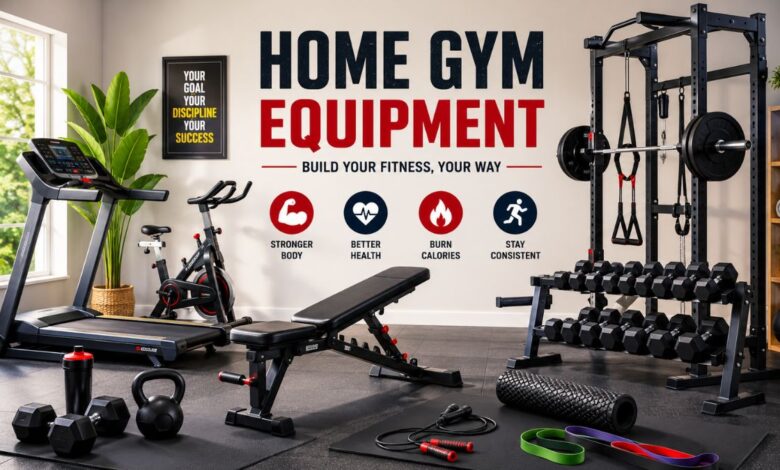
Staying active has never been more important, and having the right Home Gym Equipment makes it easier to exercise whenever it fits your schedule. Whether your goal is losing weight, building muscle, improving endurance, or simply staying healthy, a well-planned home gym can help you stay consistent without the hassle of traveling to a fitness center.
The home fitness industry has grown rapidly over the past few years, with manufacturers offering everything from compact resistance bands to advanced smart workout systems. However, buying equipment without a plan often leads to wasted money and unused machines. This guide will help you choose the right equipment based on your fitness goals, available space, and budget while avoiding common mistakes.
Why More People Are Choosing Home Workouts
Working out at home offers flexibility that traditional gyms cannot always provide. You can exercise early in the morning, late at night, or whenever you have free time. There are no membership fees, no waiting for machines, and no commute.
Many people also appreciate the privacy of exercising at home, especially beginners who want to build confidence before joining a public gym.
Other benefits include:
- Save time every week
- Exercise on your own schedule
- Build consistent workout habits
- Customize your fitness space
- Suitable for the entire family
- Long-term savings compared to monthly memberships
Home Gym Equipment Essentials for Every Fitness Goal
The best equipment depends on what you want to achieve. Instead of buying everything at once, focus on equipment that supports your primary goal.
Equipment for Strength Training
Strength training improves muscle mass, bone health, metabolism, and overall fitness.
Popular options include:
- Adjustable dumbbells
- Olympic barbells
- Weight plates
- Adjustable workout bench
- Power rack
- Squat rack
- Kettlebells
- Resistance bands
- Pull-up bar
- Cable machine
Adjustable dumbbells are among the best investments because they replace multiple fixed-weight dumbbells while taking up very little space.
Equipment for Cardio Fitness
Cardiovascular exercise supports heart health and burns calories efficiently.
Common cardio machines include:
- Treadmills
- Exercise bikes
- Indoor cycling bikes
- Elliptical trainers
- Rowing machines
- Air bikes
- Stair climbers
- Jump ropes
Rowing machines are particularly effective because they work both the upper and lower body while providing an excellent cardiovascular workout.
Functional Training Equipment
Functional fitness improves movement patterns used in everyday life.
Useful equipment includes:
- Battle ropes
- Medicine balls
- Slam balls
- Suspension trainers
- Agility ladders
- Plyometric boxes
- Sandbags
These tools are ideal for HIIT workouts and athletic conditioning.
Recovery and Mobility Tools
Recovery is often overlooked but plays a vital role in improving performance and reducing injury risk.
Helpful recovery tools include:
- Foam rollers
- Massage guns
- Stretch straps
- Yoga mats
- Mobility balls
Spending just a few minutes after each workout on mobility exercises can improve flexibility and reduce muscle soreness.
Choosing Equipment Based on Your Fitness Goals
For Weight Loss
If your goal is burning calories, combine cardio with resistance training.
Recommended equipment:
- Exercise bike
- Treadmill
- Rowing machine
- Resistance bands
- Adjustable dumbbells
- Jump rope
Strength training helps preserve muscle while losing body fat, making it an essential part of any weight-loss routine.
For Muscle Building
Building muscle requires progressive overload, meaning gradually increasing resistance over time.
Essential equipment includes:
- Power rack
- Barbell
- Weight plates
- Adjustable bench
- Dumbbells
This setup allows you to perform nearly every major compound lift, including squats, bench presses, deadlifts, and overhead presses.
For General Fitness
If you simply want to stay active and healthy, you don’t need an elaborate gym.
A practical setup might include:
- Adjustable dumbbells
- Resistance bands
- Yoga mat
- Kettlebell
- Jump rope
These affordable tools support hundreds of different exercises.
Best Equipment for Small Spaces
Not everyone has an entire room available for fitness. Fortunately, many manufacturers now design equipment specifically for apartments and compact homes.
Space-saving choices include:
- Foldable treadmill
- Foldable exercise bench
- Adjustable dumbbells
- Door-mounted pull-up bar
- Suspension trainer
- Resistance bands
- Compact rowing machine
Choosing multifunctional equipment helps maximize workouts while minimizing clutter.
Smart Home Fitness Technology
Modern fitness equipment has evolved far beyond traditional machines.
Many premium systems now include:
- Interactive touchscreens
- Live workout classes
- AI-powered coaching
- Automatic resistance adjustment
- Performance tracking
- Mobile app integration
- Bluetooth connectivity
These features help users stay motivated while tracking long-term progress.
How to Build a Home Gym on Any Budget
Budget Setup ($200–500)
A beginner-friendly setup may include:
- Resistance bands
- Adjustable dumbbells
- Jump rope
- Exercise mat
- Kettlebell
This combination supports strength training, cardio, flexibility, and mobility without requiring much space.
Mid-Range Setup ($500–2,000)
Consider adding:
- Adjustable bench
- Exercise bike
- Pull-up station
- Additional dumbbells
- Storage rack
This creates a balanced home gym suitable for most people.
Premium Setup ($2,000+)
A complete gym may include:
- Power rack
- Olympic barbell
- Full weight plate set
- Functional trainer
- Treadmill
- Rowing machine
- Adjustable bench
- Dumbbell rack
This setup closely matches the capabilities of many commercial fitness centers.
What to Consider Before Buying Equipment
Available Space
Measure your workout area carefully.
Think about:
- Ceiling height
- Walking clearance
- Equipment footprint
- Storage options
Leave enough room to exercise safely around each machine.
Build Quality
High-quality equipment lasts longer and provides a safer workout.
Look for:
- Heavy-duty steel frames
- Stable construction
- Comfortable padding
- Smooth moving parts
- Strong warranties
Reading verified customer reviews can help identify durable products.
Weight Capacity
Always check the maximum user and weight capacity before purchasing strength equipment.
Higher capacities generally indicate stronger construction.
Ease of Assembly
Some machines require several hours to assemble.
If you’re not comfortable with complex assembly, choose products with simpler designs or professional installation options.
Common Mistakes When Buying Home Fitness Equipment
Many buyers spend too much on equipment they rarely use.
Avoid these mistakes:
- Buying too many machines at once
- Ignoring available space
- Choosing low-quality equipment solely because it’s cheaper
- Skipping adjustable equipment
- Forgetting recovery tools
- Purchasing based on trends instead of personal goals
Start with the essentials and expand your gym as your fitness routine develops.
Maintenance Tips
Proper maintenance extends equipment life and improves safety.
Good habits include:
- Wipe equipment after every workout
- Tighten bolts monthly
- Lubricate moving parts as recommended
- Store weights properly
- Inspect cables regularly
- Replace worn grips or padding when needed
Keeping equipment clean also prevents rust and unpleasant odors.
Safety Tips for Home Workouts
Exercise safely by following these guidelines:
- Warm up before every workout
- Learn proper exercise technique
- Use safety clips on barbells
- Lift within your ability
- Wear supportive athletic shoes
- Keep your workout area organized
- Stay hydrated
- Allow adequate recovery between sessions
If you’re new to strength training, learning correct form before increasing weight helps reduce injury risk.
Pros and Cons
Pros
- Workout anytime
- Save money over time
- No travel required
- Greater privacy
- Fully customizable workouts
- Suitable for families
- Long-lasting investment
Cons
- Higher upfront cost
- Limited space in some homes
- Requires self-motivation
- Equipment needs maintenance
- Large machines may be difficult to move
Key Takeaways
- Buy equipment based on your fitness goals rather than trends.
- Adjustable, multifunctional equipment offers the best value.
- Even a small workout area can support effective training.
- Combine strength, cardio, and mobility exercises for balanced fitness.
- Prioritize quality, durability, and safety over the lowest price.
- Regular maintenance extends the lifespan of your equipment.
- Start small and upgrade your home gym as your needs grow.
FAQs
What is the best home gym equipment for beginners?
A combination of adjustable dumbbells, resistance bands, an exercise mat, a jump rope, and a workout bench provides a versatile and affordable starting point.
How much space do I need for a home gym?
A basic setup can fit in about 50–100 square feet. Larger gyms with racks and cardio machines typically require 150–300 square feet or more.
Is buying home fitness equipment worth the investment?
Yes. If you exercise regularly, the long-term savings on gym memberships and travel costs can outweigh the initial purchase price while offering greater convenience.
Which equipment burns the most calories?
Rowing machines, air bikes, treadmills, and jump ropes are among the most effective options for high-calorie workouts, especially when combined with interval training.
What equipment builds muscle most effectively?
Power racks, barbells, adjustable benches, dumbbells, and weight plates provide the foundation for progressive strength training and muscle growth.
Can I build a complete home gym on a budget?
Absolutely. A small collection of resistance bands, adjustable dumbbells, a kettlebell, and a bench supports hundreds of effective exercises without requiring a large investment.
How often should home gym equipment be maintained?
Clean equipment after each workout, inspect moving parts monthly, tighten loose hardware regularly, and follow the manufacturer’s maintenance recommendations for machines with belts or cables.
Conclusion
Choosing the right Home Gym Equipment is less about buying the most expensive machines and more about creating a workout space that fits your goals, lifestyle, and budget. Whether you’re starting with a few resistance bands or investing in a complete strength-training setup, the most valuable equipment is the equipment you’ll use consistently. Focus on quality, versatility, and safety, build your gym gradually, and combine strength training, cardio, mobility, and recovery for long-term success. With thoughtful planning and regular exercise, a home gym can become one of the most rewarding investments in your health and well-being.