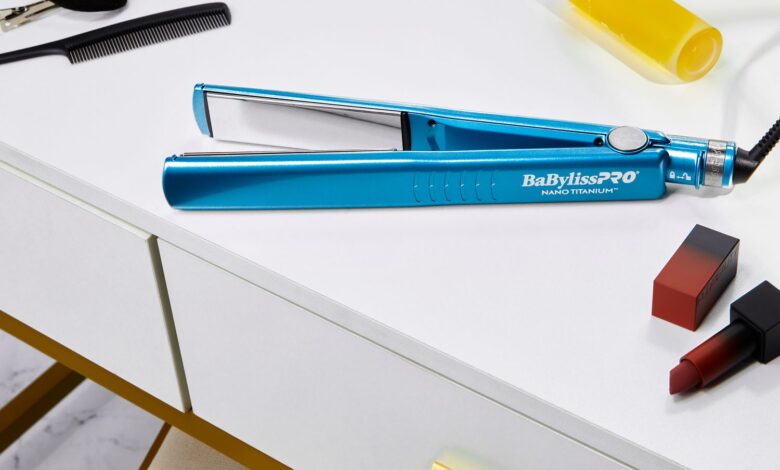
Achieving smooth, frizz-free hair is a common goal for many, and flat irons have become an essential tool in modern hair care routines. These versatile styling devices are designed to straighten hair efficiently, providing a polished and professional look from the comfort of your home. Whether you have thick, curly hair or fine, delicate strands, understanding how flat irons work and how to choose the right one can transform your daily hair styling experience.
Flat irons are not just about straightening hair; they can also help create waves, curls, and various hair textures, making them an indispensable tool for hairstyling enthusiasts. In this guide, we will explore the different types of flat irons, their features, usage tips, and buying considerations, ensuring you make an informed choice when investing in this essential beauty tool.
Understanding Flat Irons
A flat iron, also known as a hair straightener, uses heated plates to smooth the hair’s cuticle and reshape it into a straight style. The basic principle behind flat irons is the application of heat combined with pressure, which temporarily alters the hair structure to achieve a sleek appearance. Modern flat irons often incorporate advanced technologies like ceramic, titanium, and tourmaline plates, each providing specific benefits depending on hair type and desired results.
Flat irons vary in plate width, heating speed, temperature control, and material, which can significantly impact styling efficiency and hair health. Understanding these aspects is crucial to selecting a flat iron that suits your hair type and styling needs.
Types of Flat Irons
Flat irons are available in various types, each designed to address specific hair needs and preferences. The most common types include:
Ceramic Flat Irons
Ceramic flat irons are known for their even heat distribution, which reduces the risk of hot spots that can damage hair. They are ideal for fine, delicate, or color-treated hair because they provide gentle, consistent heat. These flat irons are often infused with tourmaline, which emits negative ions to reduce frizz and enhance shine.
Titanium Flat Irons
Titanium flat irons heat up quickly and maintain high temperatures, making them suitable for thick, coarse, or curly hair. They are lightweight and durable, offering professional-quality results. Titanium plates provide smooth gliding over hair, minimizing tugging or pulling, which reduces hair breakage.
Tourmaline Flat Irons
Tourmaline flat irons emit negative ions and infrared heat to seal the hair cuticle, resulting in a silky, frizz-free finish. They are excellent for damp or wet hair as they reduce drying time and enhance shine. Tourmaline flat irons are often preferred by individuals who struggle with frizz and static.
Hybrid Flat Irons
Hybrid flat irons combine materials such as ceramic and titanium to offer balanced heat, durability, and smooth styling. These versatile tools are suitable for most hair types and are especially useful for those seeking a combination of fast heating and gentle styling.
Key Features to Consider
When choosing a flat iron, it is important to evaluate the features that affect performance, safety, and hair health. Some key features to look for include:
Adjustable Temperature Control
Flat irons with adjustable temperature settings allow you to tailor the heat to your specific hair type. Fine or damaged hair requires lower heat, while thick or coarse hair may need higher temperatures for effective straightening.
Plate Size and Shape
Flat iron plates vary in width, typically ranging from 1 inch to 2 inches or more. Narrow plates are ideal for short hair, bangs, or detailed styling, while wider plates are better for long or thick hair. Rounded edges can also allow for curling and creating waves.
Auto Shut-Off
Safety is a major concern when using heated styling tools. Many flat irons come with an automatic shut-off feature, which turns off the device after a set period of inactivity, reducing the risk of accidents.
Dual Voltage
For frequent travelers, dual voltage flat irons are essential. They allow the device to operate safely on different electrical systems worldwide, making it a convenient option for international travel.
Heat Technology
Modern flat irons incorporate advanced technologies like infrared heating, ionic emission, and ceramic-titanium hybrids to improve styling results, reduce frizz, and maintain hair health.
Tips for Using Flat Irons Safely
Using flat irons correctly can prevent hair damage and ensure long-lasting results. Here are some essential tips:
- Always start with clean, dry hair to avoid heat-related damage. Using a flat iron on wet hair can lead to breakage.
- Apply a heat protectant spray before styling to shield hair from high temperatures.
- Use moderate heat settings suitable for your hair type to minimize damage.
- Do not leave the flat iron in one spot for too long; continuous movement prevents overheating and breakage.
- Clean the plates regularly to remove product buildup, ensuring smooth operation and even heat distribution.
Styling Versatility of Flat Irons
Flat irons are not limited to straightening hair; they can be used creatively for different hairstyles. For example:
- Curls and Waves: Using a twisting technique, flat irons can create soft curls or loose waves for a natural, flowing look.
- Volume: By lifting the hair at the roots while straightening, flat irons can add volume and body.
- Polished Finish: Flat irons smooth down flyaways and frizz, providing a sleek, shiny finish suitable for formal events or professional settings.
This versatility makes flat irons an indispensable tool for both casual and professional hairstylists.
How to Choose the Right Flat Iron
Selecting the right flat iron depends on your hair type, styling needs, and lifestyle. Here are some considerations:
- Hair Type: Fine hair benefits from ceramic plates, while thick or curly hair requires titanium or hybrid plates.
- Frequency of Use: For daily styling, choose a durable flat iron with advanced heat technology to minimize hair damage.
- Budget: While high-end flat irons offer advanced features, there are also affordable options that provide excellent results.
- Portability: If you travel frequently, consider a lightweight flat iron with dual voltage and compact design.
By matching your flat iron to your specific hair type and styling goals, you can achieve professional-quality results without compromising hair health.
Maintaining Your Flat Iron
Proper maintenance prolongs the life of your flat iron and ensures consistent performance. Some tips include:
- Unplug the flat iron after each use and allow it to cool completely.
- Clean the plates with a soft cloth to remove any hair product residue.
- Store the flat iron in a heat-resistant pouch or designated space to prevent damage.
- Check the cord and plug for wear and tear to avoid electrical hazards.
Consistent maintenance ensures your flat iron remains efficient and safe for long-term use.
Advantages and Disadvantages of Flat Irons
Like any beauty tool, flat irons come with pros and cons:
Advantages
- Provides smooth, frizz-free hair in minutes.
- Can create multiple hairstyles, including straight, wavy, or curled looks.
- Convenient for at-home styling without visiting a salon.
- Advanced technologies protect hair from excessive heat damage.
Disadvantages
- Excessive or improper use can lead to hair damage over time.
- High-quality flat irons can be expensive.
- Requires time and care to achieve the best results.
Understanding the advantages and limitations allows users to maximize the benefits of their flat iron while minimizing potential drawbacks.
Popular Flat Iron Brands
Several brands are renowned for their quality and performance in the flat iron market. Some of the most trusted include:
- T3
- GHD
- BaBylissPRO
- Bio Ionic
- Remington
These brands offer a variety of models with different plate materials, heat settings, and features, catering to various hair types and styling needs.
Buying Guide for Flat Irons
When purchasing a flat iron, consider the following factors:
- Hair Type Compatibility: Choose a flat iron suited for your hair’s thickness and texture.
- Plate Material: Ceramic, titanium, tourmaline, or hybrid plates provide different benefits.
- Temperature Control: Adjustable settings allow safer styling for different hair types.
- Safety Features: Look for auto shut-off, heat-resistant handles, and dual voltage for travel.
- Budget and Reviews: Consider customer feedback and professional reviews to find a reliable product.
A well-informed choice ensures you invest in a flat iron that delivers professional-quality results safely and efficiently.
Conclusion
Flat irons are versatile, essential tools for anyone looking to achieve smooth, polished, and stylish hair. With various types, materials, and features available, choosing the right flat iron requires understanding your hair type, styling needs, and budget. By following proper usage and maintenance practices, flat irons can help you achieve salon-quality results at home while protecting hair health. Investing in a high-quality flat iron not only enhances your styling routine but also provides long-lasting benefits for all hair types.
FAQs About Flat Irons
1. Can flat irons damage hair?
Improper or excessive use can cause hair damage, but using the right temperature and heat protectant minimizes risk.
2. What is the best flat iron for curly hair?
Titanium or hybrid flat irons with adjustable heat work best for thick, curly hair.
3. Can flat irons create curls?
Yes, by twisting the hair around the plates, flat irons can form curls or waves.
4. How often should I use a flat iron?
It is recommended to limit usage to a few times a week and always use heat protection.
5. How do I clean my flat iron?
Wipe the plates with a soft cloth after each use to remove product buildup and maintain smooth performance.