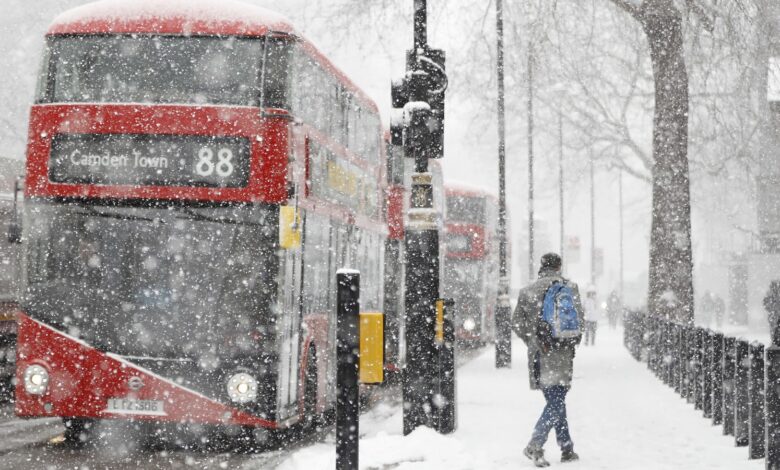
As winter approaches, residents across the United Kingdom are keeping a close eye on weather forecasts, as the country is braced for significant snowstorm bringing potential white Christmas. Meteorologists have issued warnings of an incoming cold front, which could deliver widespread snowfall in certain regions, sparking hopes for a rare festive spectacle. The possibility of snow on Christmas Day is always a topic of great interest in the UK, where a white Christmas is often considered a magical and memorable event.
Current Weather Forecast and Alerts
The latest forecasts suggest that a significant snowstorm is developing, fueled by cold air masses descending from the Arctic. Northern and highland regions, including Scotland, Northern England, and parts of Wales, are expected to experience the heaviest snowfall. Meteorological agencies have issued alerts for snow accumulation and icy conditions, warning residents to prepare for potential disruptions in daily life.
The snowstorm is expected to arrive in stages, with intermittent periods of snowfall lasting several days. Low-pressure systems moving in from the Atlantic could intensify the precipitation, creating not only snow but also strong winds and hazardous travel conditions. Weather experts note that the combination of heavy snow and freezing temperatures could lead to significant snowdrifts in exposed areas, particularly in elevated regions.
Historical Context of White Christmases in the UK
White Christmases in the United Kingdom are far from guaranteed. Historically, a “white Christmas” is defined as at least one snowflake being observed falling anywhere in the country on December 25. By this definition, white Christmases occur with moderate frequency, but substantial snow cover across large areas remains rare.
Records show that widespread snow on Christmas Day has been observed in only a few years, with notable instances occurring in 1981, 1995, 2009, and 2010. In these years, snow accumulated enough to blanket landscapes and create the classic festive imagery. More often, snow is restricted to northern and elevated regions, leaving much of southern England and lowland areas free of snow. This historical context highlights the uncertainty and excitement surrounding predictions of a white Christmas.
Impact of the Snowstorm
The snowstorm is likely to have a range of impacts on daily life. Transport networks may experience delays and disruptions as icy roads and heavy snowfall affect both urban and rural areas. Commuters should expect challenging driving conditions, while flights and rail services may face cancellations or schedule adjustments.
Local communities, particularly in snow-prone areas, will need to prepare for potential power outages and interruptions to essential services. Businesses may adjust operating hours to ensure safety, and schools could face temporary closures. While the snowstorm could cause inconveniences, it also presents an opportunity for festive activities, winter sports, and the scenic beauty of snow-covered landscapes.
Scientific Factors Behind Snowstorms and Cold Weather
Snowstorms in the UK are driven by a combination of meteorological factors, including cold air masses, moisture availability, and atmospheric pressure systems. Cold Arctic air descending southward interacts with moist air from the Atlantic, creating conditions favorable for snowfall. Regions at higher elevations, such as the Scottish Highlands and Pennines, are particularly susceptible due to lower temperatures and topographical effects that enhance precipitation.
Meteorologists monitor these patterns closely, using satellite imagery, radar data, and predictive models to forecast snowfall intensity and timing. The science behind snowstorms is complex, and even small variations in temperature or wind direction can significantly alter snowfall patterns and accumulation levels.
Likelihood of a White Christmas
Given current forecasts, the likelihood of a white Christmas this year is higher than average in certain parts of the UK. Northern regions and upland areas stand the best chance of experiencing snowfall, while southern lowlands may see only sporadic flurries. Experts caution that forecasting snow for Christmas Day itself is challenging and subject to change, but early signals suggest that some communities could wake up to snow-covered landscapes.
It is important to differentiate between a technical white Christmas, defined by a single snowflake, and a snow-covered Christmas with significant accumulation. While the former is relatively common, the latter remains rare and is more likely to occur in northern and elevated areas, aligning with the current meteorological predictions.
Precautions and Tips for Residents
Residents across the UK should take proactive measures to prepare for the snowstorm. Ensuring homes are well-insulated and stocked with essentials is advisable, particularly in regions expected to experience heavy snowfall. Driving should be minimized during peak snowfall, and when travel is necessary, vehicles should be equipped with winter tires and emergency kits.
Local authorities often advise clearing snow from pathways and driveways to prevent accidents, and checking weather updates regularly can help residents respond promptly to changing conditions. By taking appropriate precautions, communities can stay safe while enjoying the potential festive beauty that a snowy Christmas brings.
Conclusion
The UK is braced for significant snowstorm bringing potential white Christmas, with forecasts indicating that northern and elevated regions are most likely to be affected. While widespread snow remains uncertain, the possibility of snowfall adds a layer of excitement to the festive season. Historical patterns show that snow on Christmas Day can vary significantly from year to year, making each forecast a subject of keen interest. Residents are advised to stay informed, take necessary precautions, and enjoy the unique charm that winter weather brings to the holiday season.
Frequently Asked Questions (FAQs)
1. Will the snowstorm affect all parts of the UK?
The heaviest snowfall is expected in northern and highland regions, while southern lowlands may see only light flurries.
2. How likely is a white Christmas this year?
Northern and elevated areas have a higher chance of snow, but widespread snow remains uncertain.
3. What precautions should residents take?
Ensure homes are prepared, limit travel during heavy snow, and equip vehicles with winter essentials.
4. How does a white Christmas get officially recorded?
A white Christmas occurs when at least one snowflake is observed falling anywhere in the UK on December 25.
5. Have there been many white Christmases in the past?
While snow is observed somewhere in the UK on many Christmas Days, substantial snow cover across large areas is rare.