Gnats are tiny flying insects that can quickly become a nuisance in homes. They often appear around kitchens, bathrooms, and indoor plants, drawn to moisture, food, and organic debris. While small, gnats can be persistent, making it important to know effective strategies to eliminate them. Understanding their behavior and lifecycle can help prevent infestations and maintain a clean, comfortable home environment. This article explains everything you need to know about how to get rid of gnats in house, with practical steps and preventive measures.
What Attracts Gnats in Homes
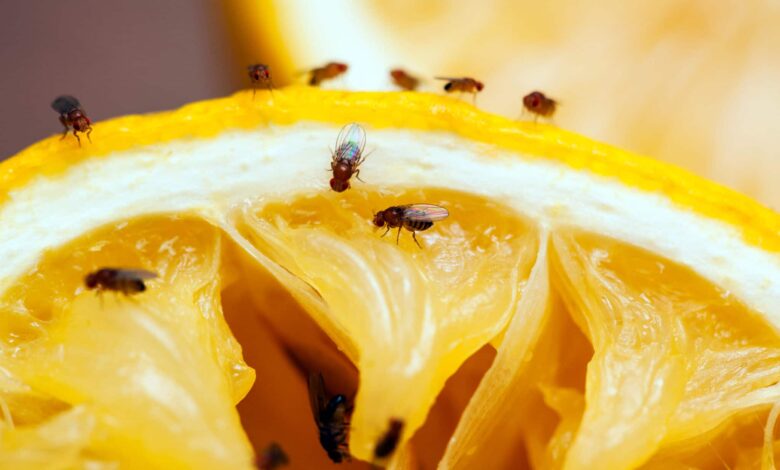
Gnats are typically attracted to warm, damp, and food-rich environments. Overwatered houseplants, kitchen sinks, trash cans, and fruit bowls can serve as breeding grounds. Indoor plants with consistently moist soil are particularly prone to fungus gnats, which lay eggs in the soil. Similarly, rotting fruits or food scraps left out can attract fruit flies, which are often mistaken for gnats. Even clogged drains or improperly cleaned garbage disposals can provide the perfect conditions for gnats to multiply. By identifying these hotspots, you can take targeted steps to remove gnats effectively.
Types of Gnats Commonly Found Indoors
Several types of gnats can infest homes, each with slightly different habits:
- Fungus Gnats: These small, dark flies are most common around overwatered plants. Their larvae feed on fungi and organic matter in the soil.
- Fruit Flies: Often found in kitchens, these gnats are attracted to ripening or rotting fruits and vegetables.
- Drain Flies: These gnats breed in wet, organic buildup in drains and sinks and are usually seen near bathrooms or kitchens.
Understanding the type of gnat infestation is crucial for choosing the most effective removal method.
Step-by-Step Methods to Get Rid of Gnats
1. Use Homemade Vinegar Traps
One of the easiest and most effective methods is a vinegar trap. Fill a small bowl with apple cider vinegar and add a few drops of dish soap. The vinegar attracts gnats, while the soap breaks the surface tension, causing them to drown. For fruit fly-prone areas, placing a piece of ripe fruit in a jar with plastic wrap and poking small holes also works well. Refresh traps every few days to maintain their effectiveness.
2. Apply Sticky Traps
Yellow sticky cards are particularly effective for catching adult gnats. Place these near houseplants, sinks, or areas where gnats are frequently seen. Sticky traps not only help reduce the adult population but also allow you to monitor the severity of the infestation.
3. Manage Indoor Plant Soil
For fungus gnats, soil management is key. Allow the top layer of soil to dry between waterings, as larvae die when soil is dry. Repotting plants in well-draining soil and cleaning water trays beneath pots can prevent gnats from laying eggs. A thin layer of sand or small stones on the soil surface can also deter egg-laying. Some gardeners use diluted hydrogen peroxide as a safe soil drench to kill larvae without harming the plant.
4. Maintain Cleanliness in the Kitchen
Kitchen hygiene is essential to prevent gnats. Dispose of rotting fruits, wipe counters regularly, and clean trash cans frequently. Store produce in sealed containers or the refrigerator to reduce the attraction. Regularly clean drains and garbage disposals to remove organic buildup where gnats can breed.
5. Control Moisture and Humidity
High humidity encourages gnats to multiply. Using a dehumidifier, ventilating bathrooms and kitchens, and avoiding overwatering indoor plants can significantly reduce gnat populations. Proper air circulation also helps prevent damp spots where gnats thrive.
6. Use Natural Repellents
Certain essential oils, like peppermint, eucalyptus, or citronella, can repel gnats. Mix a few drops with water and spray around windows, doors, and plant areas. While this may not eliminate all gnats, it can help deter them from returning after the main infestation has been removed.
Preventive Measures to Avoid Future Infestations
- Water Plants Carefully: Avoid overwatering and allow soil to dry between waterings.
- Proper Food Storage: Keep fruits and vegetables in sealed containers or the refrigerator.
- Regular Cleaning: Wipe counters, empty trash, and clean drains to remove potential breeding sites.
- Improve Airflow: Use fans or open windows to reduce humidity and prevent damp areas.
- Monitor Plants and Traps: Regularly check sticky traps and plant soil to detect early signs of gnats.
Conclusion
Getting rid of gnats in your house requires a combination of sanitation, moisture control, and targeted traps. By identifying their sources, applying effective removal methods, and implementing preventive measures, you can maintain a gnat-free home. Consistency is key, as gnats can return if their preferred conditions are present. Following these strategies ensures a cleaner, healthier, and more comfortable living space.
FAQs
1. How quickly can I get rid of gnats in my house?
It can take a few days to a few weeks, depending on the severity of the infestation and the methods used. Consistent sanitation and traps help speed up the process.
2. Are gnats harmful to humans?
Most gnats are not harmful and do not bite, but they can be a nuisance and contaminate food.
3. Can gnats infest all indoor plants?
Gnats prefer moist soil, so overwatered or poorly drained plants are more prone to infestations.
4. Will vinegar traps completely eliminate gnats?
Vinegar traps are effective for catching adult gnats but should be combined with soil management and cleaning to fully eliminate the infestation.
5. How can I prevent gnats from returning?
Control moisture, clean drains, store food properly, and use sticky traps regularly to prevent future infestations.