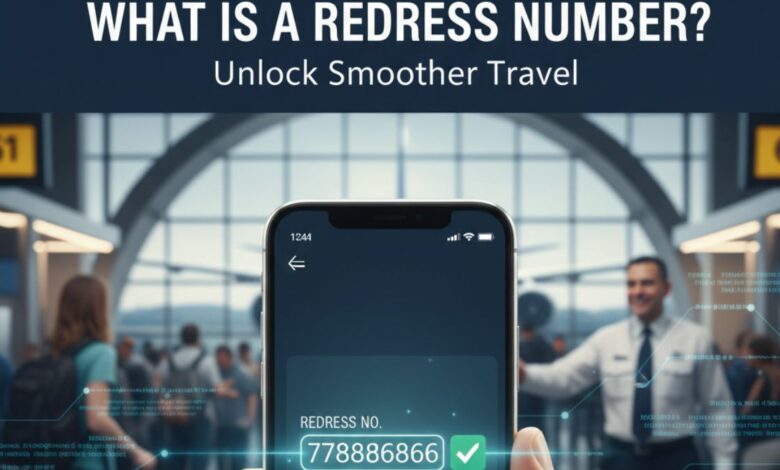
Traveling should be a smooth experience, but sometimes passengers face repeated delays, extra screenings, or boarding issues due to mistaken identity or security watchlists. If you’ve ever wondered what is a redress number and why it is important, this guide will provide a comprehensive explanation. We will explore its purpose, how to obtain one, and how it improves your travel experience.
Introduction to Redress Numbers
A redress number, officially known as a Redress Control Number, is a unique seven-digit identifier issued by the U.S. Department of Homeland Security through the Traveler Redress Inquiry Program (DHS TRIP). Its primary purpose is to help travelers who have experienced problems with security screenings, such as being misidentified as someone on a government watchlist.
Many travelers are surprised to learn that repeated security checks or boarding denials are not uncommon, especially for people with common names or those who share personal information with flagged individuals. Understanding what is a redress number can prevent such issues and ensure a smoother travel process.
Why Travelers Need a Redress Number
Travel complications can occur for many reasons. Some passengers are flagged repeatedly for additional screening, while others may experience delays due to confusion with someone on a watchlist. Common scenarios include:
- Being denied boarding or delayed despite valid travel documents.
- Experiencing frequent secondary screening at airport checkpoints.
- Encountering issues with online check-in or boarding pass printing.
- Having trouble with U.S. border entries or visa processes due to mistaken identity.
In all these situations, a redress number provides a way for authorities and airlines to correctly identify you, reducing unnecessary travel delays.
How to Obtain a Redress Number
Obtaining a redress number is straightforward but requires careful attention to detail. Here’s the process:
- Submit an Application: Travelers need to file an application through the DHS TRIP online portal.
- Provide Identification: U.S. citizens must provide a valid passport or government-issued ID. Non-citizens should submit a passport along with immigration or travel documents.
- Explain Past Incidents: Include details of past travel experiences where you faced security issues, such as flight numbers, dates, and airlines.
- Receive Review and Resolution: DHS reviews your case, and if approved, issues a seven-digit redress number along with a resolution letter.
- Use Your Redress Number: Add it to airline bookings, frequent flyer profiles, or during flight check-ins to ensure that screenings consider your resolved status.
By following these steps, travelers can significantly reduce the likelihood of being misidentified in the future.
How a Redress Number Works During Travel
A redress number functions as a corrective measure in the traveler identification process. When booking a flight to or from the U.S., airlines typically provide a field to enter the redress number. Once included, the TSA and Secure Flight program cross-check the number against the traveler’s record.
The benefits include:
- Reduced chances of repeated security checks.
- Smoother check-in and boarding experiences.
- Less confusion for airline staff and TSA agents.
It’s important to note that a redress number does not guarantee exemption from all security measures but helps prevent repeated misidentification.
Redress Number vs Other Traveler Identification Programs
Understanding the difference between a redress number and other identification programs is important:
- Redress Number: Helps travelers who have faced repeated screening or travel issues due to mistaken identity.
- Known Traveler Number (KTN): Assigned to those in trusted traveler programs such as TSA PreCheck or Global Entry, offering expedited security lanes.
- Passport and Visa: Standard identification and travel documentation required for entry and exit. Redress numbers do not replace these documents.
Knowing these distinctions ensures travelers use the correct identification for the intended purpose.
Benefits of Having a Redress Number
The advantages of obtaining a redress number are clear:
- Peace of Mind: Travelers know they are less likely to be mistakenly flagged.
- Efficiency: Reduces time spent in long security lines and repeated screenings.
- Consistency: Ensures that airlines and TSA recognize your travel history and resolved identity issues.
For frequent travelers, especially those traveling to or through the U.S., a redress number can make the difference between a stressful trip and a smooth journey.
When Should You Apply for a Redress Number?
Applying for a redress number is recommended if:
- You frequently experience delays or extra screenings at airports.
- Your name is common or similar to someone on a watchlist.
- You have encountered issues with boarding or immigration checks in the past.
If none of these apply, most travelers do not need a redress number, but it remains an option for those seeking peace of mind and fewer travel complications.
International Travelers and Redress Numbers
Even travelers outside the United States may benefit from a redress number if they frequently fly to the U.S. Airlines often request the redress number during ticket booking to help streamline security checks. Having a redress number ensures that your travel identity is correctly recognized, even across borders.
Common Misconceptions About Redress Numbers
Many travelers misunderstand what a redress number can do. Here are some clarifications:
- It does not provide priority screening or fast-track security lanes.
- It is not linked to your passport or visa.
- It does not guarantee that security checks will never occur but minimizes repeated misidentification.
Understanding these points prevents unrealistic expectations and ensures the number is used correctly.
Conclusion
A redress number is a vital tool for travelers who face repeated issues due to mistaken identity or security watchlists. By understanding what is a redress number, how to obtain it, and how it works, travelers can reduce travel disruptions and ensure smoother airport experiences. Whether you are a frequent traveler or someone who has faced issues in the past, applying for a redress number is a practical step toward hassle-free travel.
Frequently Asked Questions (FAQs)
1. What is the main purpose of a redress number?
It helps travelers who have faced repeated security screening issues due to mistaken identity.
2. Who can apply for a redress number?
Any traveler who has experienced travel delays or security problems linked to misidentification can apply.
3. Does a redress number replace a passport?
No, it is separate from your passport and other travel documents.
4. Can international travelers benefit from a redress number?
Yes, it helps ensure smoother travel when flying to or through the United States.
5. Will having a redress number eliminate all security checks?
No, it reduces repeated misidentification but does not exempt travelers from standard security measures.