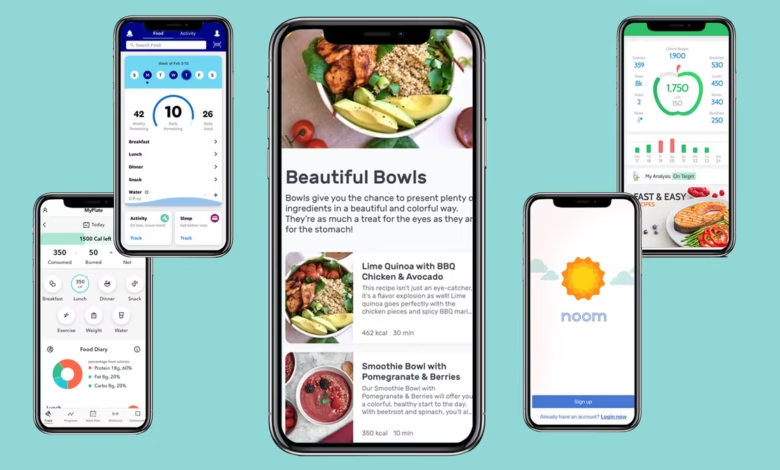
Why Tracking Macros Matters
In today’s health-conscious world, understanding not just calories but the balance of nutrients you consume has become essential. Macronutrients—proteins, carbohydrates, and fats—play a crucial role in energy, body composition, and overall health. Whether your goal is weight loss, muscle gain, or simply maintaining a balanced diet, tracking macros can make the difference between success and frustration. The best macro tracking app allows users to log meals effortlessly, analyze nutrient intake, and adjust goals based on personal needs. With countless options available, finding an app that is accurate, user-friendly, and tailored to your lifestyle is vital.
What Makes a Macro Tracking App the Best
Not all macro tracking apps are created equal. The best macro tracking app combines accuracy, ease of use, and customization to help you stay on track without added stress. A key feature is a comprehensive food database that includes a wide range of items, from packaged foods to homemade meals. The ability to scan barcodes or add custom recipes saves time while maintaining accuracy. Moreover, adaptive tools that adjust your macro targets based on logged meals and progress can provide personalized guidance. Some apps also track micronutrients, hydration, and fiber, offering a more complete picture of overall nutrition.
Another important factor is the user interface. A clean, intuitive design encourages consistent use, which is essential for long-term success. Integration with wearable devices or fitness trackers can enhance tracking by automatically syncing activity data. Lastly, privacy and cost considerations should not be overlooked, as subscription models vary, and some apps store personal health data differently.
Benefits of Using a Macro Tracking App
Using a macro tracking app offers several advantages that go beyond simple calorie counting. First, it promotes accountability. Logging meals consistently helps users become more mindful of portion sizes and nutrient composition. Second, macro tracking enables precise adjustments. Unlike general diet plans, it allows you to optimize the balance of protein, carbohydrates, and fats for your unique goals. Third, it helps prevent nutritional gaps by highlighting deficiencies or excesses in certain nutrients.
Macro tracking apps also save time compared to manual journaling. Many apps offer barcode scanning, predictive search, and custom meal templates. Additionally, they provide insights into trends over time, helping you understand how your dietary habits impact your energy levels, performance, and body composition. Overall, these tools make nutrition tracking less of a chore and more of a guided process toward better health.
Features to Look for in the Best Macro Tracking App
When choosing the best macro tracking app, several features should be considered.
- Comprehensive Food Database: A large database ensures that most foods you eat are available, reducing manual entries.
- Barcode Scanning: Scanning packaged foods speeds up logging and improves accuracy.
- Custom Meal and Recipe Entry: Being able to input homemade meals ensures your tracking reflects reality.
- Adaptive Macros: Some apps adjust your daily macro targets based on your progress, making them dynamic and personalized.
- Nutrient Tracking: Tracking not only protein, carbs, and fats but also fiber, vitamins, and minerals offers a complete nutritional overview.
- Integration with Devices: Syncing with smartwatches and fitness trackers can provide a more holistic approach to health.
- User-Friendly Interface: A simple, intuitive interface encourages consistent use.
- Goal Setting: Setting clear goals—whether weight loss, muscle gain, or maintenance—is essential for motivation.
These features distinguish basic apps from the best macro tracking app, which empowers users to make informed dietary decisions while saving time and effort.
Top Apps for Macro Tracking
Several apps stand out for their features, accuracy, and usability. While personal preference plays a role, these options are widely recognized as some of the best macro tracking apps:
1. MyFitnessPal
Known for its extensive food database, barcode scanning, and integration with fitness trackers, MyFitnessPal is popular among beginners and advanced users alike. Its customization options allow users to set macro goals, track meals, and monitor trends over time.
2. Cronometer
This app excels in nutrient accuracy and detailed micronutrient tracking. Users who want a comprehensive overview of vitamins and minerals alongside macros find Cronometer particularly helpful. It also supports custom foods and recipes.
3. MacroFactor
MacroFactor is designed for adaptive tracking. It adjusts your macro targets based on real-world progress and metabolism, making it ideal for users seeking personalized guidance. Its verified food database and detailed nutrient insights make it a strong contender for the best macro tracking app.
4. My Macros+
Created by a fitness professional, this app supports custom goals, grams-based tracking, and extensive food logging. It is ideal for users who prefer flexibility and control over their macro targets.
5. Carb Manager
For low-carb or ketogenic diets, Carb Manager is optimized for tracking net carbs, total macros, and other specialized nutrients. Its barcode scanner and meal planner are useful for those focusing on carb management.
6. FoodNoms
A privacy-focused app with a clean interface, FoodNoms offers AI-assisted food logging, custom goals, and integration with Apple Health. It is particularly appealing to users who prioritize simplicity and privacy while tracking macros.
Tips for Maximizing Your Macro Tracking Experience
To get the most out of your chosen macro tracking app, consider these tips:
- Log Meals Consistently: Regular logging improves accuracy and accountability.
- Measure Portions Accurately: Using a kitchen scale ensures that your macro calculations reflect reality.
- Customize Your Goals: Adjust macro targets based on your activity level, weight goals, and personal preferences.
- Use Meal Templates: Create recurring meal templates to save time on logging.
- Review Trends Weekly: Analyzing weekly trends helps identify patterns and adjust your nutrition strategy.
- Integrate Fitness Data: Syncing activity from wearables can provide better insight into your calorie and nutrient needs.
By following these practices, you can transform macro tracking from a daily chore into a strategic tool for achieving your health goals.
Emerging Trends in Macro Tracking
The best macro tracking apps are evolving beyond simple logging. AI and image recognition technology now allow users to estimate macros from photos, reducing manual entry. Wearable integration is improving, with apps syncing heart rate, sleep, and activity data to provide more personalized recommendations. Some apps now include dynamic coaching features that adapt calorie and macro targets based on weight trends and performance. Additionally, the focus on micronutrients and overall health is increasing, giving users a fuller picture of their nutrition.
Common Challenges and How to Overcome Them
While macro tracking offers many benefits, users can encounter challenges. Logging every meal can feel tedious, especially at the beginning. Portion estimation errors may also affect accuracy. To overcome these issues, use barcode scanning, create custom recipes, and rely on apps with predictive search and photo logging. It’s also important to remember that macro tracking is a tool, not a strict rule. Flexibility and balance are key to maintaining a healthy relationship with food.
Conclusion
Choosing the best macro tracking app can significantly enhance your nutrition journey, helping you achieve your goals efficiently and effectively. From tracking protein intake for muscle gain to monitoring carbs for a low-carb diet, these apps provide insight, accountability, and guidance. Focus on an app that combines accuracy, usability, and personalization to make macro tracking a sustainable part of your daily routine. By integrating these tools into your lifestyle, you can gain control over your nutrition, understand your body’s needs, and make informed choices that support long-term health.
Frequently Asked Questions
1. What is a macro tracking app?
A macro tracking app helps you log and monitor your intake of proteins, carbohydrates, and fats to reach specific nutrition goals.
2. Why should I use a macro tracking app?
Using an app improves awareness, accountability, and accuracy in meeting your nutritional and fitness goals.
3. Are these apps suitable for beginners?
Yes, many apps are user-friendly and provide guidance, making them accessible for beginners and experienced users alike.
4. Can macro tracking apps track micronutrients?
Some apps, like Cronometer and MacroFactor, also track vitamins, minerals, and fiber for a comprehensive nutrition overview.
5. How do I choose the best macro tracking app?
Consider accuracy, usability, customization, integrations, and features like adaptive targets and nutrient tracking to find the app that suits your lifestyle.