Exploring the New York Institute of Technology College of Osteopathic Medicine

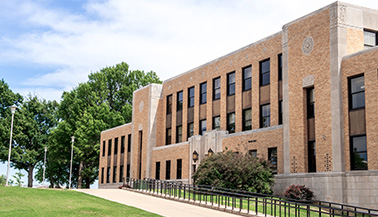
The New York Institute of Technology College of Osteopathic Medicine is a leading institution dedicated to training skilled osteopathic physicians with a strong emphasis on holistic patient care. Established with the mission of fostering medical excellence and community-focused healthcare, the college has grown into one of the most respected osteopathic medical schools in the United States. Students at this college benefit from a combination of rigorous academic training, hands-on clinical experience, and opportunities for research and innovation.
History and Establishment
The New York Institute of Technology College of Osteopathic Medicine was founded in 1977, marking a significant milestone in the expansion of osteopathic education in New York. The college was created to address the increasing need for primary care physicians and to provide students with a curriculum that integrates traditional medical knowledge with osteopathic principles. Since its inception, the college has consistently emphasized the importance of treating patients holistically, considering both physical and psychosocial factors in healthcare.
The college started with a small inaugural class of students and has steadily grown, adding state-of-the-art facilities and expanding its clinical training programs. Over the decades, the college has developed a reputation for producing competent, compassionate physicians who serve communities both locally and nationally.
Programs and Curriculum
The New York Institute of Technology College of Osteopathic Medicine offers the Doctor of Osteopathic Medicine (D.O.) degree, designed to prepare students for a wide range of medical specialties. The curriculum is structured to provide a solid foundation in medical sciences while integrating osteopathic manipulative medicine (OMM) and patient-centered care from the earliest stages.
Preclinical Years
In the first two years, students focus on foundational sciences such as anatomy, physiology, biochemistry, pharmacology, and pathology. During this period, students also learn the principles and techniques of osteopathic manipulative treatment. Small-group learning, problem-based sessions, and interactive labs ensure that students develop critical thinking skills and hands-on experience.
Clinical Years
The third and fourth years are dedicated to clinical rotations across multiple medical specialties, including internal medicine, surgery, pediatrics, obstetrics and gynecology, psychiatry, and family medicine. Students gain direct experience in hospitals, clinics, and community healthcare settings, allowing them to apply their preclinical knowledge to real-world patient care. This comprehensive training ensures that graduates are prepared to enter residency programs with confidence.
Research Opportunities
The college encourages students to engage in research activities, offering opportunities in biomedical sciences, population health, and public health initiatives. Participation in research helps students develop analytical skills, understand scientific literature, and contribute to innovations in healthcare.
Admissions Requirements
Admission to the New York Institute of Technology College of Osteopathic Medicine is highly competitive. Applicants are expected to demonstrate strong academic performance, leadership qualities, and a commitment to patient care.
Academic Prerequisites
Applicants must hold a bachelor’s degree from an accredited institution. Required coursework typically includes biology, chemistry, physics, and English. A strong performance in these foundational courses is essential for consideration.
Standardized Exams
All applicants must submit official scores from the Medical College Admission Test (MCAT). Competitive applicants usually demonstrate above-average scores, reflecting their readiness for the rigorous medical curriculum.
Letters of Recommendation and Experience
Three letters of recommendation are generally required, including at least two from science faculty. Clinical, volunteer, or research experience is highly recommended, as it demonstrates a candidate’s commitment to medicine and patient care.
Personal Statement and Interviews
A well-crafted personal statement allows applicants to articulate their motivation for pursuing a career in osteopathic medicine. Selected candidates are invited for interviews, where they are evaluated on communication skills, ethical reasoning, and alignment with the college’s mission.
Tuition, Fees, and Financial Aid
The cost of attending the New York Institute of Technology College of Osteopathic Medicine is an important consideration for prospective students. Tuition for the Doctor of Osteopathic Medicine program is substantial, reflecting the quality of education and resources provided.
Financial aid options, including scholarships, grants, and federal loans, are available to qualified students. Merit-based scholarships reward outstanding academic performance, while need-based assistance ensures that talented students have the opportunity to pursue their medical education regardless of financial circumstances. Students should also plan for additional costs, such as health insurance, technology fees, and living expenses.
Career Outcomes and Residency Placements
Graduates from the New York Institute of Technology College of Osteopathic Medicine are highly successful in securing residency positions across a broad range of specialties. The college’s emphasis on comprehensive clinical training and osteopathic principles equips students to excel in competitive residency programs.
The college maintains strong relationships with hospitals and healthcare institutions, facilitating a high residency match rate. Graduates often pursue careers in primary care, including family medicine, internal medicine, and pediatrics, while others choose specialties such as surgery, emergency medicine, or psychiatry. The college’s focus on holistic care ensures that graduates are not only skilled clinicians but also compassionate caregivers.
Unique Aspects and Reputation
Several factors distinguish the New York Institute of Technology College of Osteopathic Medicine from other medical schools. The college is recognized for its commitment to diversity, producing graduates who are prepared to serve underserved and minority populations. Its state-of-the-art facilities and technology-enhanced learning environments provide students with a modern and engaging educational experience.
The college also emphasizes lifelong learning and professional development, equipping graduates to adapt to evolving healthcare challenges. With a strong alumni network and opportunities for mentorship, students benefit from guidance and support throughout their careers.
Conclusion
The New York Institute of Technology College of Osteopathic Medicine offers a comprehensive medical education grounded in osteopathic principles and patient-centered care. With rigorous academics, extensive clinical training, research opportunities, and a focus on community service, the college prepares its graduates to become competent and compassionate physicians. Prospective students who choose this institution can expect a challenging yet rewarding journey toward a fulfilling career in medicine.
Frequently Asked Questions (FAQs)
1. What degree does the New York Institute of Technology College of Osteopathic Medicine offer?
The college offers the Doctor of Osteopathic Medicine (D.O.) degree, preparing students for a wide range of medical specialties.
2. What are the admissions requirements for the college?
Applicants need a bachelor’s degree, required science coursework, MCAT scores, letters of recommendation, and relevant clinical or research experience.
3. Does the college provide financial aid?
Yes, financial aid options include scholarships, grants, and federal loans to support students throughout their education.
4. What is the residency placement rate for graduates?
The college has a strong residency placement rate, with graduates successfully entering competitive programs across multiple specialties.
5. Are research opportunities available at the college?
Yes, students can participate in biomedical, public health, and population health research throughout their time at the college.