Acrylic nails are a popular choice for many looking to enhance the beauty of their hands, offering long-lasting polish, strength, and style. However, when it comes time to remove them, improper techniques can damage your natural nails and cuticles. Learning how to remove acrylic nails safely is essential to maintaining healthy nails while transitioning back to their natural state. This guide provides a comprehensive, step-by-step method, along with tips, precautions, and aftercare to ensure a smooth and safe removal process.
Understanding Acrylic Nails
Acrylic nails are made from a combination of liquid monomer and powder polymer that hardens to create a durable extension over the natural nail. They can last several weeks but eventually need to be removed or replaced. Many people make the mistake of peeling or forcing them off, which can lead to weakened nails, peeling, and even infections. Knowing the proper way to remove acrylic nails not only protects your natural nails but also ensures a pain-free process.
Why Proper Removal Is Important
Removing acrylic nails improperly can result in significant damage. Pulling or prying them off can strip layers of your natural nail, making them brittle and prone to splitting. It can also cause soreness in the nail bed and cuticles. Learning how to remove acrylic nails with the right technique helps minimize these risks and maintains the health and strength of your nails, allowing them to grow back strong and smooth.
Tools You Will Need
Before starting the removal process, gather the following items:
- Nail clipper
- Nail file or buffer
- Acetone (100% pure for best results)
- Cotton balls or pads
- Aluminum foil
- Cuticle stick or orangewood stick
- Nail moisturizer or cuticle oil
Having all these tools ready ensures a smooth process and avoids unnecessary interruptions. Each tool plays a role in making the removal safe and effective.
Step-by-Step Guide: How to Remove Acrylic Nails
Step 1: Trim and File the Nails
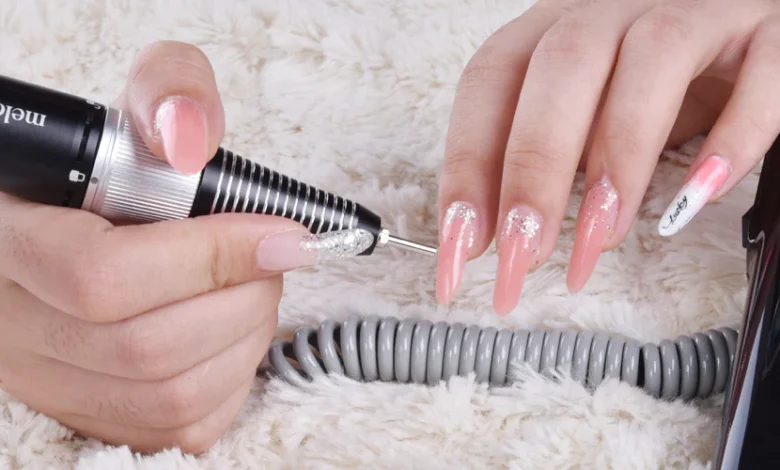
Begin by trimming the acrylic nails to reduce their length. This step makes them easier to handle and reduces the time needed for soaking. Next, use a nail file or buffer to gently remove the top layer of the acrylic, breaking the seal and allowing acetone to penetrate more efficiently.
Step 2: Protect Your Skin and Cuticles
Apply a thin layer of cuticle oil or petroleum jelly around your nails and fingertips. This step protects your skin from the drying effects of acetone, which can be harsh if left in contact with the skin for too long.
Step 3: Soak the Nails in Acetone
There are two common methods for soaking:
- Foil Method: Soak cotton balls in acetone, place them on each nail, and wrap the fingertips in aluminum foil.
- Bowl Method: Submerge your fingertips in a small bowl of pure acetone for 15–30 minutes.
Check the nails periodically. Acrylic nails soften as the acetone works, and the process may take longer depending on the thickness of the acrylic.
Step 4: Gently Remove the Acrylic
Once the acrylic begins to soften, use a cuticle stick to gently push and lift the acrylic away from the natural nail. Never force or peel the acrylic, as this can damage the nail plate. If the acrylic is still resistant, continue soaking for a few more minutes.
Step 5: Buff and Smooth the Nails
After removing all acrylic material, lightly buff the surface of your nails to smooth any remaining residue. Avoid excessive filing, which can thin and weaken your nails. This step prepares your nails for moisturization and allows them to regain their natural strength.
Alternatives for Gentle Removal
For those looking to avoid acetone, gentle removal methods can be used. These include soaking the nails in warm, soapy water combined with a cuticle oil massage. While this method is slower and less effective for thick acrylics, it reduces exposure to harsh chemicals and may be preferable for sensitive nails.
Common Mistakes to Avoid
- Peeling or pulling off acrylic nails: This can strip layers of natural nails.
- Using metal tools aggressively: Metal tools can cut or scratch the nail bed.
- Skipping moisturization: Acetone dries out nails and skin; neglecting aftercare can cause brittleness.
- Rushing the process: Patience is key to safe and effective removal.
Understanding these mistakes ensures that your natural nails remain healthy and strong.
Aftercare Tips
After removing acrylic nails, your natural nails may feel soft and fragile. Follow these aftercare tips for optimal recovery:
- Apply cuticle oil daily to rehydrate nails and surrounding skin.
- Use a gentle nail strengthener to protect and rebuild nail layers.
- Avoid applying new acrylics or heavy polish for at least a week to let nails recover.
- Maintain a balanced diet rich in vitamins like biotin to support nail growth.
- Keep nails trimmed and filed gently to prevent breakage.
Proper aftercare is essential to maintain nail health and prepare them for future manicures if desired.
Signs You Should Seek Professional Help
If you experience severe pain, redness, swelling, or signs of infection while removing acrylic nails, it is important to consult a professional. Similarly, if acrylic nails are very thick, recently applied, or old and stubborn, professional removal ensures safety and reduces the risk of nail damage.
Conclusion
Learning how to remove acrylic nails properly is crucial for maintaining healthy, strong natural nails. Using the right tools, following step-by-step procedures, and practicing proper aftercare minimizes damage and promotes recovery. Whether you choose acetone or gentle soaking methods, patience and care are key. By following these guidelines, you can safely transition back to natural nails while keeping them healthy and beautiful.
Frequently Asked Questions
1. How long does it take to remove acrylic nails at home?
Typically, it takes 15–30 minutes for the acrylic to soften enough for removal, depending on thickness and method used.
2. Can I remove acrylic nails without acetone?
Yes, gentle methods like warm water and cuticle oil can work, but they take longer and may not fully remove thick acrylics.
3. Will removing acrylic nails damage my natural nails?
If done properly, removal should not damage nails. Avoid peeling or forcing acrylic off, and follow proper aftercare.
4. How can I make my nails strong after acrylic removal?
Apply cuticle oil, use nail strengtheners, keep nails trimmed, and maintain a healthy diet with biotin.
5. Should I go to a professional for acrylic removal?
Professional removal is recommended for very thick or stubborn acrylics, or if there are signs of infection or nail sensitivity.