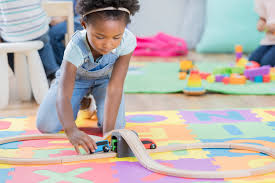
Keeping children engaged and active is a priority for every parent. Fun activities for kids are not only entertaining but also vital for their physical, emotional, and cognitive development. With the right mix of indoor and outdoor play, children can enhance their creativity, social skills, and problem-solving abilities. In today’s busy world, it’s essential to balance screen time with meaningful play that encourages curiosity, movement, and imagination. This article explores a variety of engaging ideas that make playtime enjoyable and educational.
Outdoor Play: Physical and Social Benefits
Outdoor play remains one of the most effective ways to support children’s overall development. Activities such as running, climbing, playing tag, or cycling encourage physical fitness, strengthen muscles, and improve coordination. Beyond the physical benefits, outdoor play also nurtures social skills. Group games like hide-and-seek or relay races teach teamwork, communication, and sharing. Regular exposure to outdoor environments also boosts mood and reduces stress, helping children feel more confident and independent.
Additionally, outdoor activities can be tailored to various age groups. Toddlers may enjoy sandbox play or gentle swings, while older children might prefer organized sports, scavenger hunts, or obstacle courses. Creating a safe and stimulating environment for outdoor play ensures that children remain active while learning valuable life skills.
Indoor Activities: Creative and Cognitive Development
Not all fun activities for kids require outdoor spaces. Indoor play offers countless opportunities to spark creativity and enhance cognitive growth. Arts and crafts, for example, encourage fine motor skills, color recognition, and self-expression. Activities such as painting, modeling clay, or making DIY projects allow children to explore their imagination while developing patience and focus.
Educational games like puzzles, board games, or memory challenges stimulate problem-solving abilities and critical thinking. Reading together or storytelling sessions help expand vocabulary, comprehension, and communication skills. Indoor play also provides a safe environment for children to experiment and express themselves without the constraints of outdoor conditions, making it an essential component of a balanced play routine.
Water and Sensory Play
Water and sensory-based activities are highly engaging and educational for children. Simple water play, such as filling and pouring containers, building small dams, or floating toys, introduces basic scientific concepts like volume, buoyancy, and cause-and-effect. Sensory play, which can include materials like sand, rice, or textured fabrics, promotes tactile exploration and cognitive development.
These activities are particularly beneficial for younger children, who are learning to process different textures and sensations. Incorporating sensory play into a daily routine helps improve focus, problem-solving skills, and creativity. It also provides a calm and enjoyable way for children to interact with their surroundings, making it a valuable addition to any play schedule.
Creative Pretend Play
Pretend play is another cornerstone of fun activities for kids. Role-playing games, such as pretending to be a teacher, doctor, or superhero, allow children to explore different social roles and scenarios. This form of play enhances imagination, emotional intelligence, and empathy. Children learn to negotiate rules, resolve conflicts, and develop storytelling skills while engaging in pretend play.
Parents and caregivers can encourage creative play by providing costumes, props, or simple household items. The flexibility of pretend play means children can invent limitless scenarios, strengthening both cognitive and social development. This type of activity is particularly effective in fostering independent thinking while nurturing collaborative skills in group settings.
Physical Activity and Sports
Physical activities and sports are essential for healthy growth and energy management. Engaging children in activities like soccer, basketball, swimming, or martial arts improves endurance, strength, and coordination. Sports also teach discipline, teamwork, and strategic thinking, providing both physical and mental challenges.
For younger children, simpler activities like jumping rope, obstacle courses, or dancing are effective ways to build strength and flexibility. Introducing regular physical activity as part of daily routines encourages lifelong healthy habits and reduces the risk of obesity and sedentary behaviors. Fun activities for kids that combine movement with play are not only enjoyable but also highly beneficial for overall development.
Nature and Exploration
Connecting children with nature is another rewarding approach to keeping them engaged. Activities like nature walks, scavenger hunts, and gardening foster curiosity and an understanding of the environment. Observing plants, insects, and animals helps children develop scientific thinking, attention to detail, and a sense of responsibility.
Nature-based play is also linked to emotional well-being. Exposure to green spaces reduces stress, promotes mindfulness, and encourages physical activity. Families can create simple exploration activities in backyards, parks, or local trails to cultivate a love for the natural world while providing educational experiences.
Music, Dance, and Performing Arts
Incorporating music, dance, and performing arts into daily routines is another fun activity for kids that supports cognitive, emotional, and social development. Singing, playing instruments, or dancing enhances rhythm, coordination, and memory. Participating in performance activities also builds confidence, communication skills, and self-expression.
Parents can encourage children to engage in music and dance through simple household instruments, interactive games, or family talent shows. Exposure to performing arts provides a creative outlet, reduces stress, and fosters collaboration when children perform together.
Balancing Screen Time and Play
While technology offers educational content, it is important to balance screen time with active play. Excessive screen use can limit physical activity, reduce social interaction, and affect attention spans. Parents can set clear boundaries and encourage interactive or hands-on activities that stimulate imagination and movement.
Incorporating both structured and unstructured play, along with outdoor, indoor, and creative activities, ensures a well-rounded approach. Fun activities for kids should always prioritize engagement, learning, and enjoyment while maintaining a healthy balance with digital media.
Conclusion
Fun activities for kids are essential for their holistic development. From outdoor adventures and sports to creative arts, pretend play, and sensory experiences, children benefit physically, emotionally, and intellectually from engaging play. Balancing structured activities with free play and limiting screen time creates an environment where children can grow, explore, and thrive. By encouraging a variety of activities, parents and caregivers can ensure that playtime is both enjoyable and meaningful, nurturing skills that last a lifetime.
Frequently Asked Questions (FAQs)
1. Why is play important for children?
Play helps children develop physically, socially, and cognitively, building essential life skills while keeping them engaged.
2. What are some fun outdoor activities for kids?
Outdoor activities include tag, hide-and-seek, cycling, nature walks, and obstacle courses, all promoting fitness and teamwork.
3. How can indoor play benefit children?
Indoor play with crafts, puzzles, and educational games enhances creativity, problem-solving, and fine motor skills.
4. What is sensory play, and why is it important?
Sensory play involves tactile activities like sand, water, or textured materials, supporting cognitive development and focus.
5. How can parents balance screen time with play?
Setting limits on screens and encouraging interactive, hands-on, and outdoor activities ensures a healthy balance for children.